
If you are wondering how to boost local SEO for your business, you are asking the right question. For any business serving customers in a specific area, local SEO is one of the highest-return activities you can invest in. When someone searches for a service near them, Google’s local results pull from a completely different set of signals than standard organic search. Understanding how those signals work, and acting on them consistently, is how local businesses grow their visibility without spending a cent on ads.
This guide covers the most important local SEO tips for Australian businesses. It runs from getting your Google Business Profile right through to earning local links and reviews that actually move rankings. If you want to understand how this fits into a broader strategy, our SEO services page covers how we approach local and organic visibility together.
Key Takeaways
- Your Google Business Profile is the single most important local SEO asset you control.
- NAP consistency across every directory, citation, and page on your website is non-negotiable.
- Reviews are a ranking signal, not just a credibility signal. Ask for them actively.
- Local content and locally relevant links build authority that national SEO cannot replicate.
- Most local SEO wins come from working through a local SEO checklist consistently, not from finding shortcuts.
Start With Your Google Business Profile
When you are figuring out how to boost local SEO, your Google Business Profile is the right place to start. It is the foundation of your entire local search presence. It appears in Google Maps, in the local pack at the top of search results, and in the knowledge panel when someone searches your business by name. If it is incomplete, inconsistent, or neglected, your local rankings will reflect that no matter how good the rest of your SEO is.
Claiming and verifying your profile is the starting point, but most businesses stop there. To consistently boost local SEO, the businesses that rank well treat their Google Business Profile as a living asset, not a one-time task. That means keeping information accurate, adding new photos regularly, and responding to every review. Using the posts and Q&A features shows Google the listing is actively managed.
What to Prioritise on Your Profile
- Business name, address, and phone number that match exactly what appears on your website
- Primary category that reflects your core service, not a broad catch-all
- Secondary categories for every service you want to rank for locally
- Business description that includes your key services and the areas you serve
- At least 10 photos, updated regularly, covering your premises, team, and work
- Trading hours kept current, especially around public holidays
- Products or services section completed with individual service listings and descriptions
One thing many businesses overlook is the Q&A section. Google allows anyone to ask questions on your profile, and anyone can answer them too. Check yours regularly and answer any open questions yourself. If there are no questions yet, seed it with the most common things customers ask you, then answer them directly. This adds relevant keyword content to your profile and reduces friction for potential customers.
Get Your NAP Consistent Everywhere
If you are serious about improving your local SEO, fixing your NAP data is one of the quickest wins available. It is also one of the most overlooked. NAP stands for name, address, and phone number. It sounds simple, but inconsistent NAP data is one of the most common and most damaging local SEO problems. If your business name appears as ‘Smith Plumbing’ in one place and ‘Smith Plumbing Pty Ltd’ in another, Google treats them as different entities. The same applies to your address: ‘St’ versus ‘Street’ creates exactly the same confusion. That confusion erodes the trust signals that local ranking depends on.
The fix is straightforward. Decide on one definitive version of your business name, address, and phone number. Then audit every place it appears online and bring them into alignment. Start with your website, then work through your Google Business Profile, Facebook, LinkedIn, and the major Australian directories including True Local, Yellow Pages, and Yelp Australia.
Building and Cleaning Up Local Citations
Local citations are online mentions of your business name, address, and phone number, whether or not they include a link. Citations on reputable directories send trust signals to Google that your business is legitimate and located where you say it is. The more consistent and widespread those citations are, the stronger your local authority becomes.
The priority citation sources for Australian businesses are Google Business Profile, Bing Places, Apple Maps, Facebook, Yellow Pages Australia, True Local, and Yelp. From there, move to industry-specific directories: if you are in hospitality, TripAdvisor matters. If you are in health, Healthdirect and similar directories carry weight. Start with the universal sources, then move to the industry-specific ones.
Optimise Your Website for Local Search
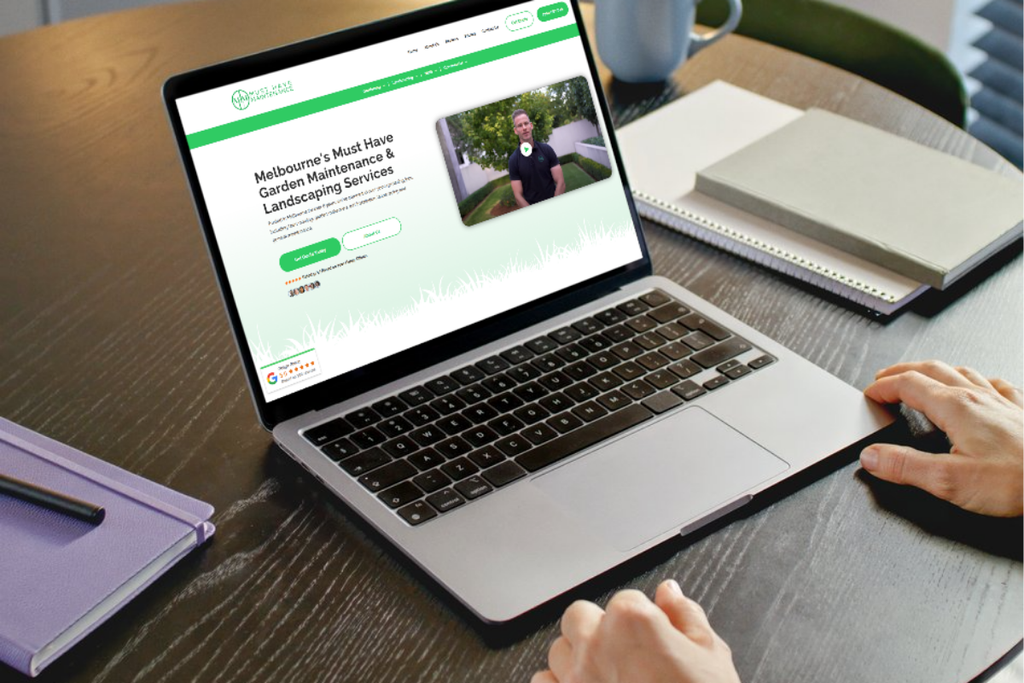
Your website is the second major lever for boosting local SEO effectively. Your Google Business Profile and your website work together. Google cross-references the two, so the information on your website needs to confirm what your profile says. Beyond basic consistency, there are several on-page changes that improve near me SEO and send strong local relevance signals to search engines.
Location Pages
If your business serves more than one area, a dedicated location page for each suburb or city is one of the most effective local SEO investments you can make. Each page needs genuinely local content, not the same text with the suburb name swapped in. It should speak to what customers in that specific area actually need. Google is good at identifying thin, templated location pages, and it does not reward them. Our digital marketing agency builds location pages designed to rank and convert, with content that genuinely serves the people searching in each area.
On-Page Signals That Help Local Rankings
- Include your city or suburb in your H1 heading on service pages where it reads naturally
- Add your full address to your contact page and your website footer
- Use LocalBusiness schema markup so Google can parse your business details accurately
- Embed a Google Maps iframe on your contact page to reinforce your location signal
- Mention surrounding suburbs and service areas in your service page copy where relevant
- Use location-specific keywords in page titles and meta descriptions
Schema markup is one of the best ways to improve local search ranking. It deserves particular attention. Adding LocalBusiness schema to your homepage gives Google a structured, machine-readable version of your business details: your name, address, phone number, trading hours, and service area. This reduces any ambiguity about who you are and where you operate, and it supports your visibility in both local pack results and AI-generated search answers.
Build Reviews Actively and Respond to Every One
According to BrightLocal, most consumers read online reviews for local businesses. Reviews do more to boost local SEO than most business owners realise, and most treat them as passive. They wait for reviews to arrive rather than creating a process to earn them. This is one of the clearest patterns in improving local SEO through effort rather than spend. The businesses at the top of local results almost always have more reviews, more recent reviews, and higher average ratings.
The simplest way to build reviews is to ask directly, at the right moment. For service businesses, that moment is immediately after a job is completed and the customer has expressed satisfaction. Send a follow-up message with a direct link to your Google review page. Reduce the friction as much as possible: the easier it is to leave a review, the more people will do it.
How to Respond to Reviews
Responding to reviews is not just good customer service. It is an active local SEO signal. Google monitors review responses as a sign of engagement, and businesses that respond to reviews consistently tend to outperform those that ignore them. When responding, thank the reviewer by name where possible and mention the specific service they used. Include your location naturally in the response. This adds keyword-rich, location-relevant content to your profile without it feeling forced.
For negative reviews, respond calmly and constructively. Acknowledge the issue, offer to resolve it offline, and keep the response brief. A good response to a negative review can actually improve the perception of your business by showing that you take customer feedback seriously.
Create Content That Speaks to Your Local Audience

Local content is one of the most underused tactics in local SEO for small businesses, which is part of what makes it so valuable. When you publish articles and guides genuinely relevant to people in your area, you attract local links, local traffic, and local trust signals. These are things no amount of generic content can replicate.
The most effective local content tends to answer questions that people in your specific area are asking. A plumber in Brisbane might write a guide to the most common plumbing issues in Queensland homes. A financial adviser in Melbourne might write about property investment considerations specific to the Victorian market. This kind of content attracts the right audience and builds relevance signals that are deeply tied to your location.
Local Content Ideas Worth Pursuing
- Guides to your service tailored to local conditions, regulations, or market dynamics
- Posts about local events, community initiatives, or industry news in your city
- Case studies featuring clients in specific suburbs or postcodes
- Seasonal content relevant to your area, such as weather-related service demand
- Collaborations or mentions of other local businesses, which often earn reciprocal links
For local SEO Australia businesses, locally relevant content is one of the most underused growth levers available. Each piece creates another entry point for nearby customers and builds topical depth that search engines and AI systems reward with greater visibility.
Earn Local Links to Boost Local SEO Authority
Backlinks are a significant factor in how to rank locally, but the types of links that move local rankings are different from those that drive broader organic visibility. For local SEO, links from geographically or topically relevant websites are what matter. Think local news outlets, community organisations, industry associations, local event pages, and complementary businesses in your area.
Local link building is one of the harder ways to boost local SEO, but it is also one of the most durable. It works best through genuine relationships and real-world activity, not through directories or paid placements. Sponsoring a local event, contributing to a community initiative, or joining your industry association are all activities that often result in a link. Getting featured in a local publication does too. These are not quick wins, but they build the kind of authority that compounds over time and is very hard for competitors to replicate.
Practical Local Link Building Approaches
- Join your local chamber of commerce or industry body, which usually includes a directory listing and link
- Reach out to local bloggers or journalists who cover your industry or area
- Offer to write a guest post or provide expert commentary for a local online publication
- Partner with complementary local businesses for cross-referrals, which sometimes leads to links
- Get listed on the websites of any local event or community organisation you support
- Apply for local business awards, which often generate press coverage and links when you win or are shortlisted
If building local visibility through PR and earned media is something you want to pursue more systematically, our public relations agency work is designed to generate exactly this kind of coverage for Australian businesses.
Tracking Results: The Final Step in How To Boost Local SEO
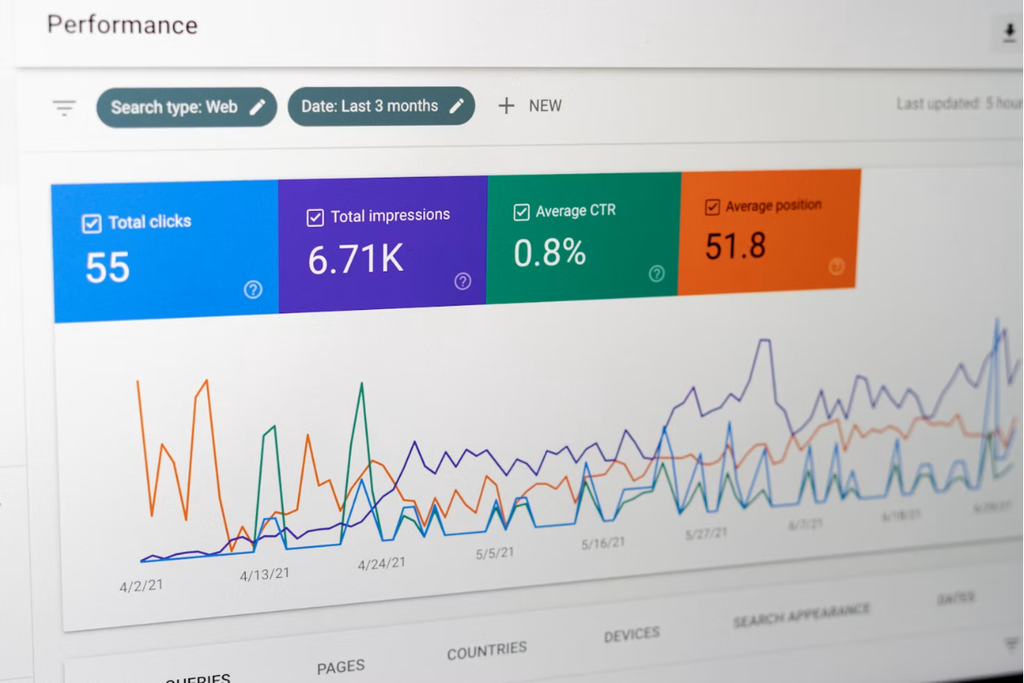
Local SEO is not a campaign with a start and end date. It is an ongoing practice, and it rewards businesses that pay attention to their results and adjust accordingly. The good news is that the key metrics are accessible and free, so you do not need expensive tools to know whether your efforts are paying off.
What to Monitor
- Google Business Profile Insights: how many people found your listing, where they came from, and what actions they took
- Google Search Console: which local queries are driving impressions and clicks to your website
- Local pack position: track how your business ranks in Google Maps for your key service keywords
- Review count and average rating: are you consistently growing reviews over time?
- Website traffic from local sources: use Google Analytics to segment visitors by city or region
A smart local SEO strategy uses this data to identify which pages or profile elements are generating results and which are not. If a particular service page is driving local enquiries, build on it. If a location page has traffic but low conversions, improve the content or the call to action. Local SEO is a feedback loop, and the businesses that treat it that way tend to build momentum that compounds over months and years.
Knowing how to boost local SEO is one thing, and this guide covers the key steps. Doing it consistently while running a business is another challenge entirely. If you want experienced support building your local search presence, our team works with businesses across Melbourne, Sydney, Brisbane, and across Australia. Book a strategy session to find out what local SEO could do for your business.
Frequently Asked Questions: How To Boost Local SEO
Most businesses start seeing measurable movement within two to three months of consistent local SEO activity, particularly from Google Business Profile improvements and review growth. Building citations, earning local links, and publishing local content take longer to show results, typically three to six months, but the impact compounds over time. The time and effort you put in now will keep paying back for years.
Yes. For local businesses, it is the single most important SEO asset outside of your website. It determines whether you appear in Google Maps, in the local pack at the top of search results, and in Google’s AI-generated answers to local queries. A neglected or unverified profile is one of the most common reasons a local business does not appear when nearby customers search for its services.
You need a verifiable address to create a Google Business Profile, but it does not need to be a commercial premises. Home-based businesses can use their home address and choose to hide it from public view on the profile. Service-area businesses that visit customers rather than receiving them at a fixed location can set a service area instead of displaying an address. However, having a verified address always strengthens local trust signals.
There is no fixed number, and the answer varies significantly by industry and location. In a low-competition local market, 15 to 20 strong reviews may be enough to rank in the local pack. In a more competitive market such as a major city for a common service, you may need 50 or more. What matters equally to quantity is recency and quality. A steady stream of new reviews over time signals to Google that your business is active and trusted by real customers.
Standard SEO focuses on ranking in organic search results for keywords that are not tied to a location. Local SEO focuses specifically on ranking for queries with local intent, whether or not the user includes a location in their search. Google uses a separate algorithm for local results that weights proximity, relevance, and prominence differently from standard organic rankings. A business can rank well in standard search and poorly in local results. That is why learning how to boost local SEO specifically is worth your time, even if you have already invested in organic SEO.